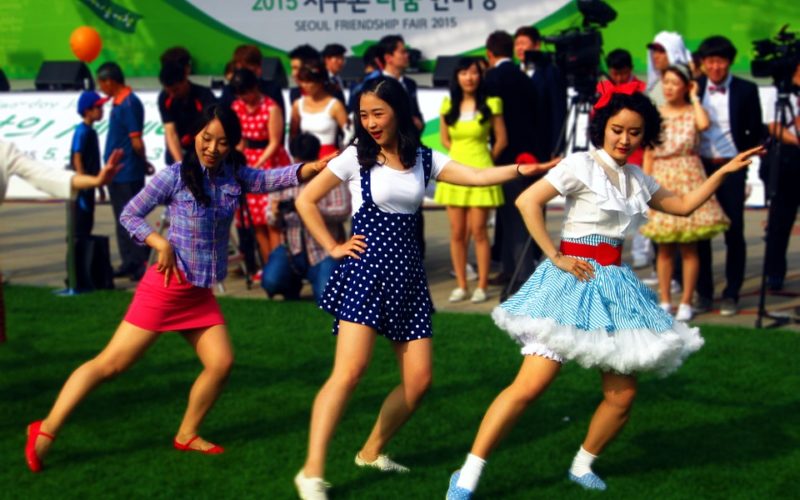
Swing Dancing Lessons
Swing dancing is one of the most joyful and social dance styles you can learn. Rooted in the jazz era of the 1920s and 30s, it encompasses a family of dances — including Lindy Hop, East Coast Swing, and Balboa — all characterised by their energetic footwork, improvisational spirit, and close partner connection. Swing dancing lessons teach you the foundational steps, rhythms, and partnering skills needed to get out on the floor with confidence.
Why take swing dancing lessons?
The benefits go well beyond learning a new hobby. Swing dancing is a full-body workout that improves cardiovascular fitness, coordination, and balance. Mentally, it sharpens focus and memory, as you constantly respond to music and your partner in real time. Socially, it connects you with a warm, welcoming community of dancers who share a love of live music and movement. Many people who start lessons find themselves attending social dances — known as "socials" or "jams" — within just a few weeks.
What to expect from your first lesson
Beginners are always welcome, and you do not need a partner to sign up. Most swing dance classes rotate partners throughout the session, which is one of the best ways to develop adaptability and connection as a dancer. In your first lesson, you will typically learn a six- or eight-count basic step, a few simple turns, and the fundamentals of lead and follow. Lessons are usually relaxed and fun, with instructors who understand that everyone starts from scratch.
Choosing the right class for you
Swing dancing covers several distinct styles, so it is worth doing a little research before committing to a course. Lindy Hop is the original swing dance and the most widely taught globally, making it a great starting point. East Coast Swing is slightly more structured and often taught in formal dance studios. Balboa suits those who enjoy close-hold dancing and intricate footwork. Many cities offer taster sessions, which are a low-commitment way to sample a style before enrolling in a full course.
How quickly will you progress?
Progress in swing dancing depends on how often you practise and whether you attend social dances outside of class. Most beginners feel comfortable with the basics after four to six weeks of weekly lessons. From there, intermediate classes introduce more complex moves, musicality, and styling. The learning curve is genuinely enjoyable — each new skill builds naturally on the last, and there is always something new to explore, no matter how experienced you become.
Finding swing dancing lessons near you
Swing dance scenes exist in most major UK cities, including London, Manchester, Edinburgh, and Bristol. A quick search for local swing dance societies or Lindy Hop clubs will usually turn up regular classes, workshops, and social events. Many universities also have swing dance societies that welcome non-students. Online lessons have also become a popular option for those in smaller towns or with unpredictable schedules, offering flexibility without sacrificing quality instruction.
Getting started
All you need for your first lesson is a pair of comfortable, smooth-soled shoes and a willingness to have fun. Swing dancing rewards curiosity and playfulness far more than natural talent. Whether your goal is fitness, creativity, or simply something new to do on a weeknight, lessons offer an accessible and genuinely enjoyable entry point into one of the world's most enduring dance traditions.